
Certain foods can trigger or worsen chronic inflammation, leading to fatigue, joint pain, digestive issues, and more. In this post, I am highlighting the top foods that cause inflammation. There are common items in many diets that may be silently sabotaging your health.
I am a wellness coach who has personally struggled with inflammation issues. By changing what I ate through an anti-inflammatory diet, I was able to balance my hormones and improve my gut health. I am sharing my experience and what I changed with you, so you can have guidance on where to start improving your health.
By understanding what to avoid, you can make smarter choices and support your body’s natural healing process. Let’s take a closer look at the foods that may be causing more harm than you realize.
Please note, there are affiliate links in this post. Read my privacy policy at the bottom of this page to learn more.
What Happens to Your Body When You Eat Foods That Cause Inflammation?
When you eat foods like refined sugars, processed meats, and trans fats, your body reacts as if it’s under attack. This triggers your immune system to release inflammatory chemicals meant to fight off harm. While short term inflammation is a natural defense, chronic inflammation caused by poor diet can become harmful over time.
Inflammatory foods can disrupt gut health, blood sugar levels, and hormonal balance, compounding the problem further. You may notice symptoms like fatigue, bloating, joint pain, brain fog, and skin issues.
Over time, this can weaken your immune system and make it harder for your body to recover from illness or stress. The good news is that reducing inflammatory foods and replacing them with anti-inflammatory alternatives can help reverse these effects and restore balance.
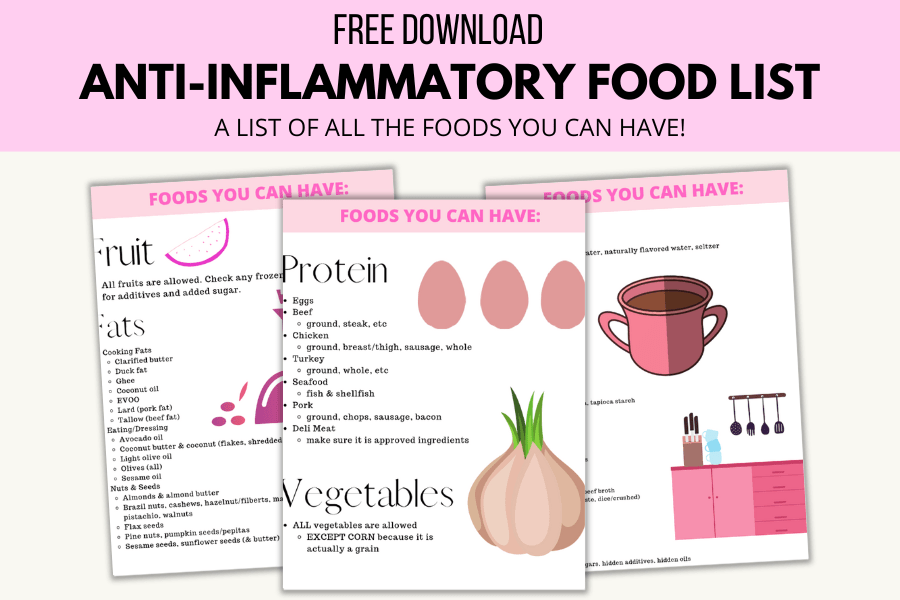
Before we move on, if you are interested in eating an anti-inflammatory diet, go ahead and click the button below to get a FREE Anti-Inflammatory Diet Food List!
List of Foods That Cause Inflammation
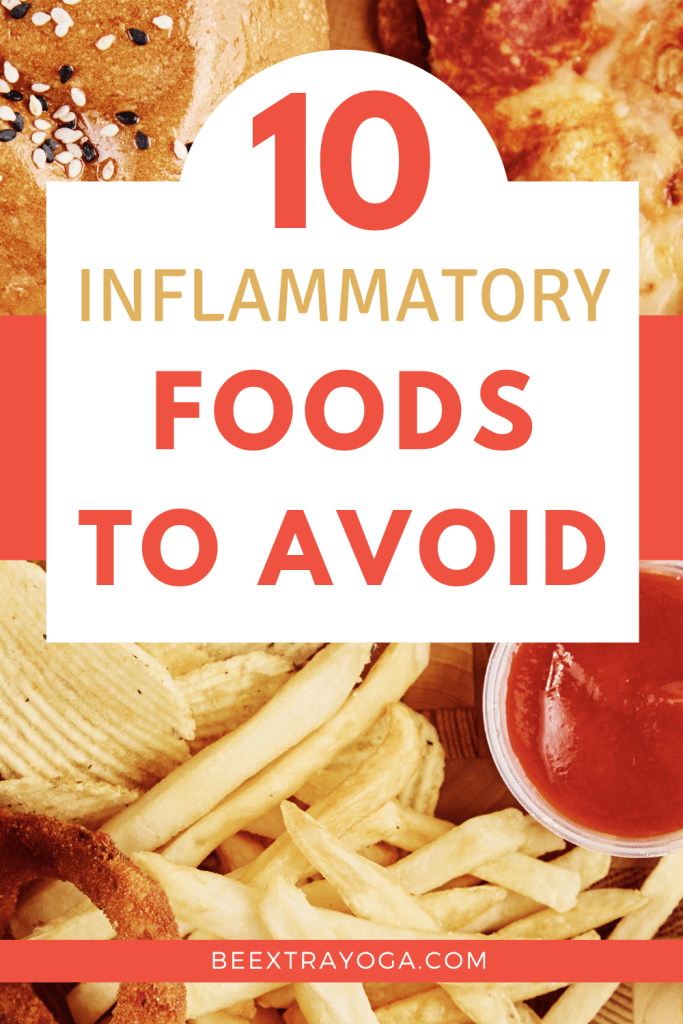
If you’re struggling with inflammation and want to reduce it I recommend cutting the following foods out of your diet. At the very least, you should eat less of them. But removing them from your diet completely, is the quickest way to feeling healthier.
You can also consider doing a 30-day elimination diet and then slowly reintroducing these foods, to see which ones are harming your body in particular. I teach my students how to do this in my Mindful Elimination program. You can join the waitlist here to be notified when the program opens (it’s only a few times a year), AND you will receive a special coupon for the program just by joining the waitlist too.
1 – Added Sugar
Added sugar or refined sugar is the type that comes in donuts and candy and is bad for inflammation. Sugar feeds harmful gut bacteria and promotes imbalance, triggering inflammation in the digestive tract. It also spikes blood sugar, leading to systemic inflammatory responses and digestive discomfort over time.
Avoid chocolate, candy, and sweet treats that contain large amounts of refined sugar. You also have to look for foods it might be hidden in too. Ketchup, for example, contains a lot more sugar than you’d think.
2 – Soy
While soy is often promoted as a health food, especially to vegans and vegetarians, it can actually have some negative effects on your body. Soy can cause stomach inflammation due to its lectins and phytoestrogens. It may irritate the gut lining or disrupt digestion.
This means avoiding foods like tofu and some processed vegan meat alternatives. If you’re a soy milk fan, swap it out for almond or oat.
3 – Caffeine
Unfortunately, caffeine isn’t great for reducing inflammation. For many people, caffeine causes gut issues and it can cause anxiety when consumed on an empty stomach. If you still want your daily mug of coffee or tea, reach for a decaffeinated version.
4 – Dairy
Dairy may trigger digestive distress, bloating, and inflammation. Swap it out for dairy-free alternatives such as oat milk, cashew cheese, or ghee.
5 – Processed Foods
Processed foods are bad for inflammation and just bad for your health in general. Processed foods tend to be stuffed with salt, preservatives, and sugar. Try and eat foods in the simplest form possible to improve your health.
6 – Peanuts
Eating peanuts may trigger immune responses, digestive irritation, or worsen gut issues, leading to bloating, pain, and/or inflammation. Roasted or processed peanuts can be hard to digest too.
7 – Corn
Corn has high lectin content, which may irritate the gut lining. It’s also often genetically modified, which some people find harder to digest. Additionally, processed corn products spike blood sugar and contribute to inflammatory responses.
8 – Alcohol
Alcohol irritates the stomach lining, increases acid production, and disrupts gut bacteria, leading to inflammation. Plus, it is it full of calories. On top of that, you likely won’t eat as healthy as usual when drinking.
9 – Preservatives
Preservatives help food last longer on the shelves, but unfortunately, preservatives disrupt gut bacteria, trigger immune responses, and irritate the digestive lining, leading to inflammation. The more effort you put into avoiding preservatives, the less issues you will have with inflammation.
10 – Artificial Sweeteners
Sugar is bad, so maybe artificial sweeteners are the better option. Unfortunately that is not the case. Artificial sweeteners come with issues of their own. They can disrupt gut bacteria and irritate the digestive system, leading to inflammation, bloating, and discomfort.
Artificial sweeteners are found in everything, from low-sugar yogurt to protein bars. Look out for them in the ingredients the next time you pick something off the shelf.
What are Some Anti-Inflammatory Foods You Can Eat Instead?
The good news is that the foods you remove from your diet can be replaced by those which are actually beneficial for reducing inflammation. Here’s a list of some foods you should be eating.
- Vegetables (except corn)
- Seafood
- Fruit
- Nuts (except peanuts)
- Eggs
Do you plan to remove foods that cause inflammation from your diet?
Understanding which foods trigger inflammation is a powerful step toward better health. By reducing or eliminating processed foods, added sugars, and unhealthy fats, you can help your body function more efficiently and reduce your risk of chronic disease.
Small, mindful changes to your diet can lead to big improvements in how you feel including more energy, less pain, and better overall wellness. Your food choices matter and avoiding inflammatory foods is a great place to start.